

Anxiety Relief Exercises You Can Do Anywhere
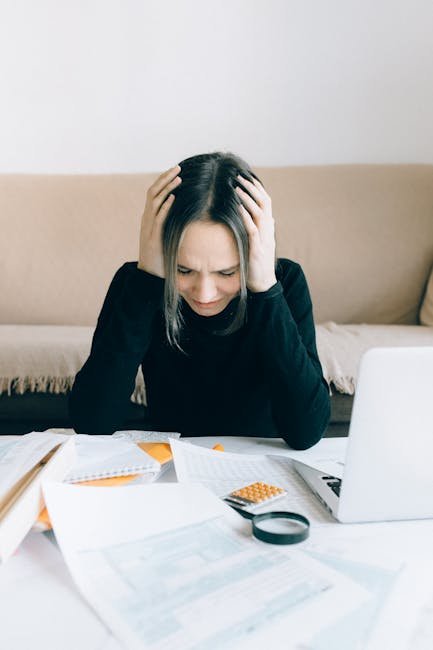
In today’s fast-paced world, anxiety can creep up on us at the most unexpected moments. Whether you’re at work, stuck in traffic, or just trying to unwind at home, knowing how to manage anxiety is crucial. Fortunately, there are simple exercises that can help alleviate anxiety and can be done virtually anywhere. Let’s explore these effective techniques that can bring calm and peace into your daily life.
Table of Contents
1. Introduction
2. Breathing Exercises
3. Progressive Muscle Relaxation
4. Mindfulness and Meditation
5. Visualization Techniques
6. Movement and Stretching
7. Conclusion
8. FAQs
1. Introduction
Anxiety is a natural response to stress, but when it becomes overwhelming, it can affect our daily lives. Luckily, there’s no need for fancy equipment or a quiet yoga studio to combat these feelings. With the right strategies, you can reduce anxiety and regain control, no matter where you are. Let’s dive into some accessible exercises that can empower you to find relief.
2. Breathing Exercises
Deep breathing is a powerful tool that can help calm your nervous system in moments of anxiety. The best part? You can do it anywhere, anytime!
Box Breathing
Box breathing, also known as square breathing, is a simple technique that can quickly bring calm. Here’s how it works:
1. Inhale slowly through your nose for a count of four.
2. Hold your breath for a count of four.
3. Exhale slowly through your mouth for a count of four.
4. Hold your breath again for a count of four.
5. Repeat this cycle for a few minutes or until you feel more relaxed.
4-7-8 Breathing
This method is particularly useful for stress relief:
1. Inhale quietly through your nose for a count of four.
2. Hold your breath for a count of seven.
3. Exhale completely through your mouth for a count of eight.
4. Repeat the cycle three more times, focusing on the rhythm of your breath.
3. Progressive Muscle Relaxation
Progressive Muscle Relaxation (PMR) is a technique that involves tensing and relaxing different muscle groups to reduce anxiety and increase physical relaxation.
Start by finding a comfortable position, then follow these steps:
1. Begin with your toes, tensing them for 5 seconds and then releasing.
2. Move up to your calves, thighs, abdomen, arms, and so on, tensing each group for 5 seconds before releasing.
3. Focus on the feeling of relaxation that comes after releasing the tension.
4. Mindfulness and Meditation
Mindfulness and meditation are invaluable practices for managing anxiety. They help you stay grounded in the present moment and reduce racing thoughts.
Mindfulness Exercise
Try this simple mindfulness exercise:
1. Sit comfortably and close your eyes.
2. Take a deep breath and focus on the sensation of the air entering and leaving your body.
3. Notice any thoughts or feelings that arise without judgment, then gently bring your focus back to your breath.
Guided Meditation
Several apps and online resources offer guided meditations that you can listen to on the go. They range from a few minutes to longer sessions, making it easy to fit into your day.
5. Visualization Techniques
Visualization involves imagining a peaceful scene to help reduce anxiety. It’s a great way to escape mentally from a stressful environment.
1. Close your eyes and take a few deep breaths.
2. Picture a place where you feel calm and safe, like a beach, forest, or your favorite room.
3. Engage all your senses: imagine the sounds, smells, and sights of this place.
6. Movement and Stretching
Physical movement can be an excellent way to reduce anxiety. Even small movements can make a big difference.
Chair Yoga
If you’re in a seated position, try these gentle stretches:
1. Neck rolls: Slowly roll your head from side to side to release tension.
2. Seated twist: Sit up straight and gently twist your torso to one side, then the other.
3. Shoulder shrugs: Lift your shoulders up towards your ears and then release them down.
Walking
A brisk walk can do wonders for your mental health. If you’re able to step outside, take a short stroll and focus on the rhythm of your steps and the environment around you.
7. Conclusion
Anxiety can feel overwhelming, but you have the power to manage it with simple, effective exercises you can do anywhere. Whether you’re practicing deep breathing, engaging in mindfulness, or moving your body, these techniques can help bring peace and calm into your life. Remember, consistency is key, and integrating these exercises into your daily routine can significantly improve your overall well-being.
8. FAQs
Q: How often should I practice these exercises?
A: Consistency is important. Try to practice these exercises daily, even when you’re not feeling anxious, to build resilience and ease anxiety when it arises.
Q: Can these exercises replace professional therapy?
A: While these exercises are beneficial, they should not replace professional therapy if you are experiencing severe anxiety. It’s always a good idea to consult with a mental health professional for personalized guidance.
Q: Are there any apps that can help with these techniques?
A: Yes, there are several apps, such as Calm, Headspace, and Insight Timer, that offer guided breathing, meditation, and mindfulness exercises.
Remember, taking small steps toward managing anxiety can lead to big changes in your life. 🌟
