
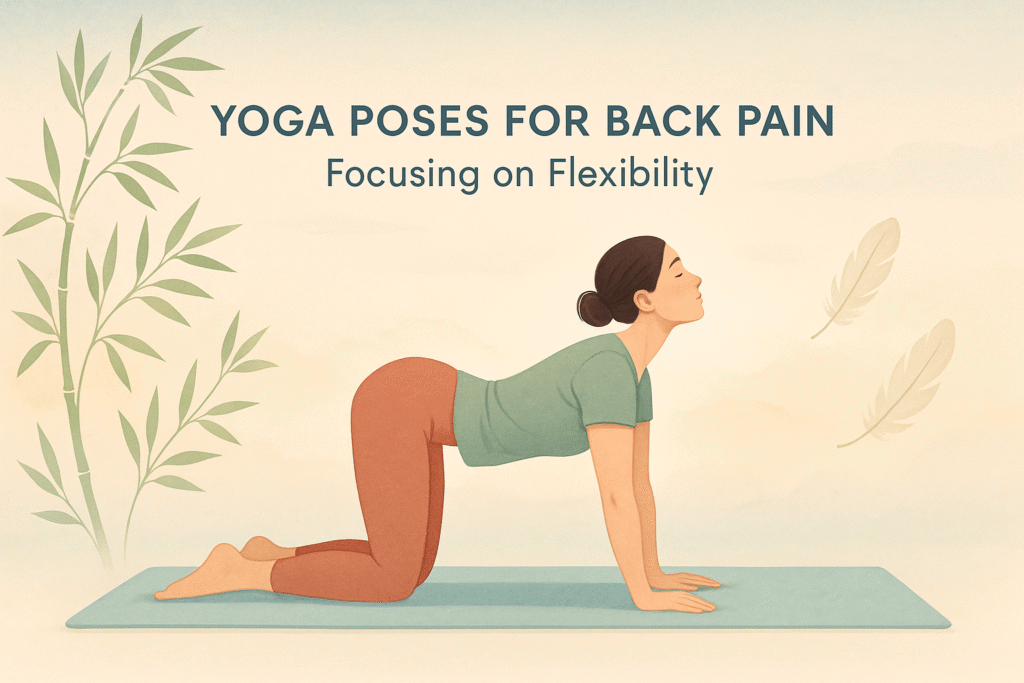

Yoga Poses for Back Pain: Focusing on Flexibility
Back pain can be a real showstopper, hindering your daily activities and affecting your quality of life. Fortunately, yoga offers an effective and natural way to alleviate back pain by enhancing flexibility and strengthening the muscles that support your spine. In this blog post, we’ll explore various yoga poses specifically designed to relieve back pain and improve your flexibility. 🧘♀️
Table of Contents
1. Introduction
2. The Benefits of Yoga for Back Pain
3. Yoga Poses to Enhance Flexibility
– Child’s Pose (Balasana)
– Cat-Cow Stretch (Marjaryasana-Bitilasana)
– Downward-Facing Dog (Adho Mukha Svanasana)
– Standing Forward Bend (Uttanasana)
– Sphinx Pose (Salamba Bhujangasana)
4. Tips for Practicing Yoga Safely
5. Conclusion
6. FAQs
Introduction
Back pain is a common ailment that affects millions of people worldwide. Whether it’s due to long hours at a desk, improper posture, or an old injury, it can be debilitating. Yoga, with its gentle stretches and mindful breathing, can offer relief by improving flexibility and promoting relaxation. Let’s delve into how specific yoga poses can help ease back pain and enhance your overall well-being.
The Benefits of Yoga for Back Pain
Yoga is not just about twisting into pretzel-like shapes; it’s a holistic approach to health that combines physical postures, breathing exercises, and meditation. Here are some key benefits of incorporating yoga into your routine for back pain relief:
1. Improved Flexibility: Yoga helps stretch and elongate the spine, releasing tension and increasing flexibility in the back.
2. Strengthened Muscles: Many yoga poses strengthen the core, which supports the spine and reduces strain.
3. Better Posture: Regular practice encourages better posture, reducing the risk of future back issues.
4. Stress Relief: Yoga promotes relaxation, reducing stress and tension that can exacerbate pain.
Yoga Poses to Enhance Flexibility
Child’s Pose (Balasana)
Child’s Pose is a gentle stretch for the back, hips, thighs, and ankles. It helps relieve tension and promotes relaxation.
How to do it: Kneel on the floor, touch your big toes together, and sit on your heels. Exhale as you lay your torso down between your thighs, lengthening your spine. Rest your arms alongside your body with palms facing up. Hold for 30 seconds to a few minutes.
Cat-Cow Stretch (Marjaryasana-Bitilasana)
This dynamic movement warms up the spine, promotes flexibility, and eases tension.
How to do it: Start on your hands and knees in a tabletop position. Inhale as you drop your belly towards the mat (Cow Pose) and lift your chin and chest. Exhale as you draw your belly to your spine and round your back towards the ceiling (Cat Pose). Repeat for 1-2 minutes.
Downward-Facing Dog (Adho Mukha Svanasana)
A staple in many yoga routines, Downward-Facing Dog stretches the hamstrings, calves, and back muscles.
How to do it: Start on your hands and knees. Spread your fingers wide, tuck your toes, and lift your knees off the floor. Lengthen your tailbone away from your pelvis and press your heels towards the floor. Hold for 1-3 minutes.
Standing Forward Bend (Uttanasana)
This pose provides a deep stretch for the back and hamstrings, releasing tension and promoting flexibility.
How to do it: Stand with feet hip-width apart. Hinge at your hips as you exhale, bending forward. Let your head hang heavy and touch the floor with your palms. Hold for 30 seconds to 1 minute.
Sphinx Pose (Salamba Bhujangasana)
Sphinx Pose is a gentle backbend that strengthens the spine and opens up the chest.
How to do it: Lie on your stomach with your legs extended. Prop yourself up on your forearms, keeping elbows under shoulders. Press firmly into the ground and lift your chest. Hold for 1-3 minutes.
Tips for Practicing Yoga Safely
To ensure a safe and effective yoga practice, follow these tips:
1. Listen to Your Body: Never push yourself into a pose if it causes pain.
2. Start Slowly: If you’re new to yoga, start with beginner-friendly poses and gradually progress.
3. Use Props: Utilize blocks, straps, or cushions as needed for support.
4. Warm Up: Always begin with a warm-up to prepare your body for deeper stretches.
Conclusion
Yoga offers a powerful tool for managing back pain by improving flexibility and building strength. Incorporating these poses into your routine can help alleviate discomfort, enhance your posture, and promote a sense of well-being. Remember, the journey to a healthier back starts with one pose at a time. 🌟
FAQs
Q: Can yoga completely cure back pain?
A: While yoga can significantly reduce back pain and improve flexibility, it’s essential to consult with a healthcare professional for a comprehensive treatment plan.
Q: How often should I practice yoga for back pain relief?
A: Aim for at least 3-5 times a week. Consistency is key to experiencing the benefits of yoga.
Q: Are there any poses I should avoid with back pain?
A: Avoid poses that strain the back or cause pain. Focus on gentle stretches and consult with a yoga instructor if needed.
By incorporating these yoga poses into your routine, you can take proactive steps towards alleviating back pain and enhancing your flexibility. Remember, listen to your body, and enjoy the journey of healing and improvement. Namaste! 🙏