
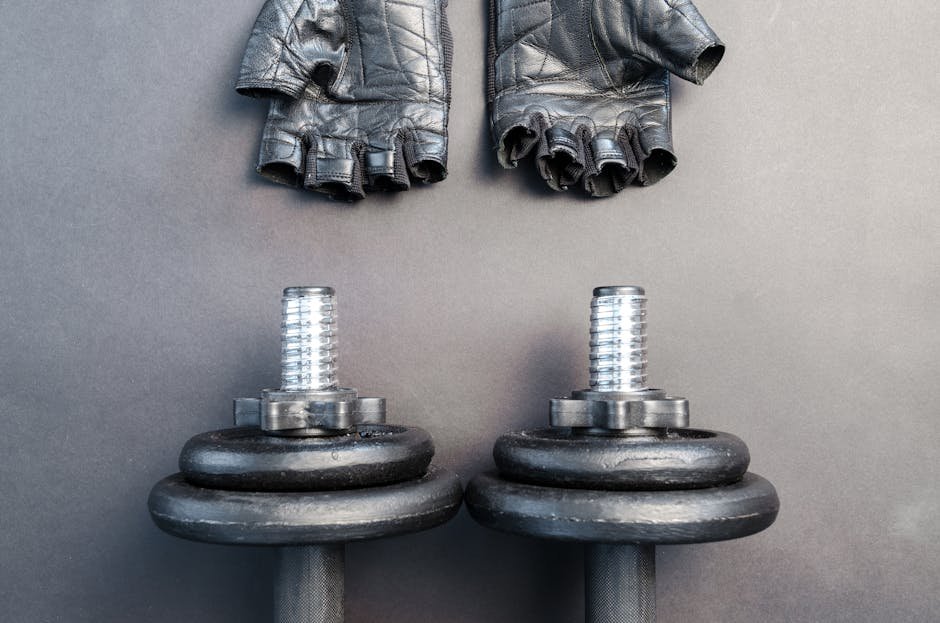

Strength Training for Beginners: Essential Tips
Welcome to the world of strength training! If you’re just starting out, you might feel a mix of excitement and apprehension. But don’t worry; this guide is here to help you embark on your fitness journey with confidence. Strength training offers numerous benefits, from improved muscle tone and increased metabolism to enhanced mental well-being. Ready to dive in? Let’s get started! 💪
Table of Contents
1. Introduction to Strength Training
2. Setting Realistic Goals
3. Understanding Basic Moves
4. Importance of Proper Form
5. Choosing the Right Equipment
6. Creating a Workout Plan
7. Nutrition Tips for Beginners
8. Staying Motivated
9. Conclusion
10. FAQs
Introduction to Strength Training
Strength training, also known as resistance training, involves exercises that improve muscle strength and endurance. It can include the use of free weights, weight machines, resistance bands, or even your own body weight. The key is to challenge your muscles, encouraging them to adapt and grow stronger over time. Whether your goal is to build muscle, lose weight, or simply stay healthy, strength training can play a critical role in achieving these objectives.
Setting Realistic Goals
Before you lift your first weight, it’s essential to set some realistic goals. Ask yourself what you want to achieve: Is it muscle gain, fat loss, improved athletic performance, or overall health? Setting SMART goals—Specific, Measurable, Achievable, Relevant, and Time-bound—can provide a clear roadmap. For example, instead of saying, “I want to get stronger,” try, “I want to increase my squat weight by 20 pounds in three months.”
Understanding Basic Moves
For beginners, it’s crucial to focus on mastering basic movements before progressing to more advanced exercises. Here are some foundational moves to incorporate into your routine:
1. Squats: A compound exercise that targets your legs and core.
2. Push-ups: Excellent for building upper body strength.
3. Deadlifts: Focus on your back, legs, and core.
4. Planks: Great for core strength and stability.
Importance of Proper Form
Good form is vital to avoid injuries and maximize the effectiveness of your workouts. Start with light weights or bodyweight exercises to learn the correct technique. Consider working with a trainer or watching instructional videos to ensure you’re performing exercises correctly. Remember, quality over quantity is key—it’s better to do fewer reps with perfect form than many reps with poor technique.
Choosing the Right Equipment
As a beginner, it might be overwhelming to pick the right equipment. Start simple with a pair of dumbbells, a resistance band, and a mat. As you progress, you can explore barbells, kettlebells, and more specialized equipment. Remember, the best equipment is the one that fits your space, budget, and fitness goals.
Creating a Workout Plan
A well-structured workout plan is essential to track your progress and avoid burnout. Aim to strength train at least two to three times a week, allowing a day of rest between sessions for muscle recovery. A sample beginner’s routine could include:
Day 1: Upper Body (Push-ups, Tricep Dips, Dumbbell Rows)
Day 2: Lower Body (Squats, Lunges, Deadlifts)
Day 3: Core (Planks, Russian Twists, Bicycle Crunches)
Nutrition Tips for Beginners
Fueling your body with the right nutrients is just as important as the workouts themselves. Ensure you’re consuming enough protein to support muscle repair and growth. Incorporate a variety of fruits, vegetables, whole grains, and healthy fats into your diet. Stay hydrated, and remember that nutrition is not about restriction but about nourishing your body to perform its best.
Staying Motivated
Motivation can wane, especially when progress seems slow. To stay on track, set short-term goals, keep a fitness journal, and celebrate small victories. Find a workout buddy to keep each other accountable, or join a class to make the experience more enjoyable. Remember, consistency is key, and every step forward is progress! 🚀
Conclusion
Starting strength training can be a transformative experience, offering both physical and mental benefits. By setting realistic goals, focusing on proper form, and maintaining a balanced diet, you’ll be well on your way to achieving your fitness aspirations. Remember, every expert was once a beginner, so don’t be afraid to take those first steps. Here’s to your strength training journey—may it be filled with growth, strength, and confidence! 🏋️♂️
FAQs
Q1: How often should beginners do strength training?
A1: Beginners should aim for 2-3 sessions per week, allowing for rest days in between.
Q2: What should I eat before a workout?
A2: A small meal with carbs and protein, like a banana with peanut butter, can provide energy and aid muscle recovery.
Q3: How long before I see results?
A3: Results can vary, but many people start noticing changes in 4-8 weeks with consistent training and nutrition.
Q4: Can I do strength training at home?
A4: Absolutely! With minimal equipment like dumbbells and resistance bands, you can effectively strength train at home.
Embark on your strength training journey with these essentials, and remember—progress, not perfection, is what truly matters. Happy lifting! 🎉