
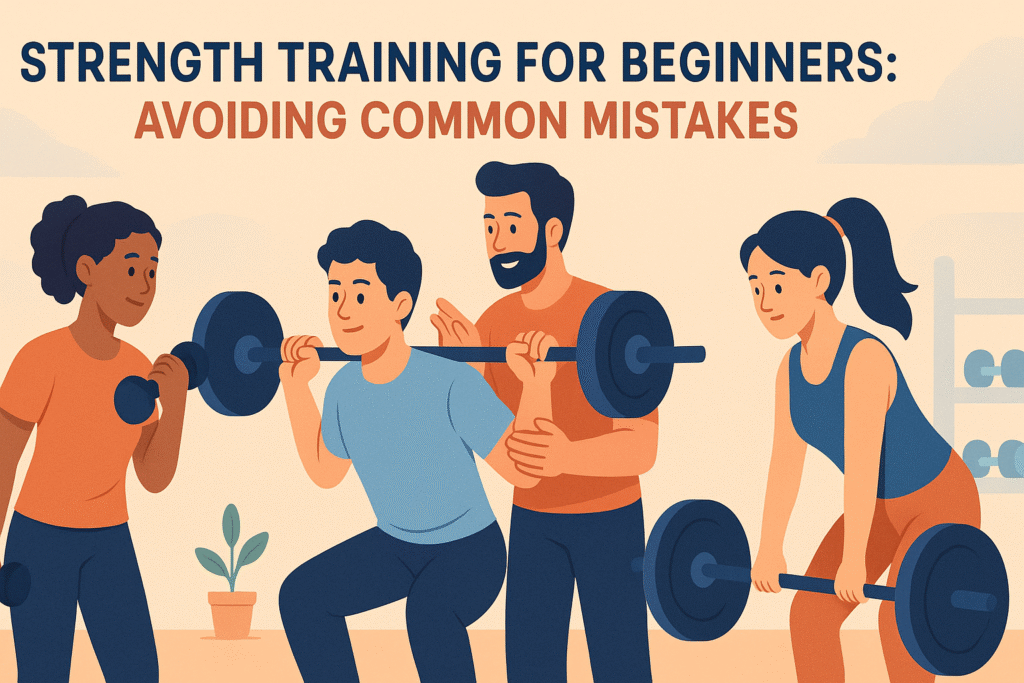

Strength Training for Beginners: Avoiding Common Mistakes
Embarking on a strength training journey can be both exciting and intimidating. Whether you’re hitting the gym for the first time or transitioning from a different fitness routine, understanding the basics of strength training is crucial. Let’s dive into some common mistakes beginners make and how to avoid them for a successful and safe workout experience. 💪
Table of Contents
1. Introduction
2. Setting Realistic Goals
3. The Importance of Proper Form
4. Starting with the Right Weight
5. Consistency Over Intensity
6. Avoiding Overtraining
7. Nutrition and Recovery
8. Conclusion
9. FAQs

Introduction
Strength training is a powerful tool for improving physical health, boosting metabolism, and enhancing overall well-being. However, for beginners, the world of weights and machines can be overwhelming. It’s easy to make mistakes that can lead to injury or burnout. This guide will help you navigate your strength training journey by highlighting common pitfalls and providing tips to ensure you get the most out of your workouts. 🏋️♂️
Setting Realistic Goals
One of the first steps in any fitness journey is setting clear and achievable goals. It’s tempting to aim high, but unrealistic expectations can lead to disappointment and frustration. Start by defining what you want to accomplish with your strength training. Are you looking to build muscle, increase endurance, or simply improve your overall health? Once you have a clear vision, break it down into smaller, measurable milestones. Remember, progress takes time, and patience is your best friend on this journey. 🎯

The Importance of Proper Form
Proper form is the cornerstone of effective strength training. It not only maximizes the benefits of each exercise but also minimizes the risk of injury. Beginners often rush through exercises or use improper techniques, leading to potential harm. Consider working with a certified trainer to learn the correct form for each exercise, or watch instructional videos from reputable sources. Always prioritize quality over quantity, ensuring each movement is controlled and precise. 🏋️
Starting with the Right Weight
Choosing the right weight is crucial for beginners. Lifting too heavy can lead to strain and injury, while too light weights might not provide the challenge needed for growth. As a rule of thumb, start with a weight that allows you to perform 8-12 reps with good form, feeling fatigued by the end of the set but not to the point of failure. As your strength improves, gradually increase the weights to continue challenging your muscles. 🏋️♀️
Consistency Over Intensity
When starting out, consistency is more important than intensity. Many beginners make the mistake of going too hard too soon, leading to burnout or injury. Instead, focus on developing a routine that you can maintain long-term. Aim for 2-3 strength training sessions per week, allowing your body time to adapt and recover. Over time, you can increase the intensity and frequency as your body becomes more conditioned. 📅
Avoiding Overtraining
Enthusiasm is great, but overtraining can be detrimental. Your muscles need time to recover and grow, so incorporating rest days into your routine is essential. Overtraining can lead to fatigue, decreased performance, and increased risk of injury. Listen to your body, and don’t be afraid to take a break if you’re feeling overly tired or sore. Resting is as important as the workout itself. 🛌
Nutrition and Recovery
Fueling your body with the right nutrients is vital for recovery and performance. Ensure you’re consuming enough protein to support muscle repair and growth. Carbohydrates provide energy, especially before workouts, while healthy fats support overall health. Hydration is also key, so drink plenty of water throughout the day. Post-workout, give your body the nutrients it needs to recover, and consider stretching or foam rolling to aid in muscle recovery. 🥗
Conclusion
Strength training is a rewarding journey that offers numerous physical and mental benefits. By understanding and avoiding common beginner mistakes, you set yourself up for success. Remember, it’s a marathon, not a sprint. Set realistic goals, focus on form, choose the right weights, be consistent, and allow your body the rest and nutrition it needs. With dedication and patience, you’ll see progress and enjoy the process of becoming stronger and healthier. 🌟
FAQs
Q: How often should beginners do strength training?
A: Beginners should aim for 2-3 sessions per week, allowing for rest and recovery days in between.
Q: How can I tell if I’m lifting the right weight?
A: You should be able to complete 8-12 reps with good form, feeling challenged but not to the point of failure.
Q: Is it necessary to use supplements when strength training?
A: While not necessary, some find supplements like protein powder helpful. It’s best to focus on a balanced diet first.
Q: What should I eat before and after a workout?
A: Before a workout, consume carbs for energy. After, focus on protein and carbs to aid recovery.
Embark on your strength training journey with confidence, armed with the knowledge to avoid common pitfalls. Happy lifting! 🌈