

Self-Care Tips for a Healthy Mind and Body
In today’s fast-paced world, prioritizing self-care can feel like a luxury rather than a necessity. Yet, taking time for yourself is crucial for maintaining both mental and physical health. Whether you’re juggling work, family, or personal goals, self-care is the foundation that supports it all. In this blog post, we’ll explore practical self-care tips that can help rejuvenate your mind and body, ensuring you’re at your best every day. 🌟
Table of Contents
1. Introduction
2. Mindful Morning Routine
3. Nourish Your Body
4. Exercise Regularly
5. Mental Health Check-ins
6. Digital Detox
7. Social Connections
8. Conclusion
9. FAQs
Introduction
Self-care is more than bubble baths and face masks, though those can certainly be part of it! It’s about making intentional choices that improve your well-being. Whether it’s a few minutes of meditation or a walk in the park, these small acts of self-kindness can have a significant impact on your overall health.
Mindful Morning Routine
How you start your day sets the tone for everything that follows. Creating a mindful morning routine can help you begin your day with a positive mindset.
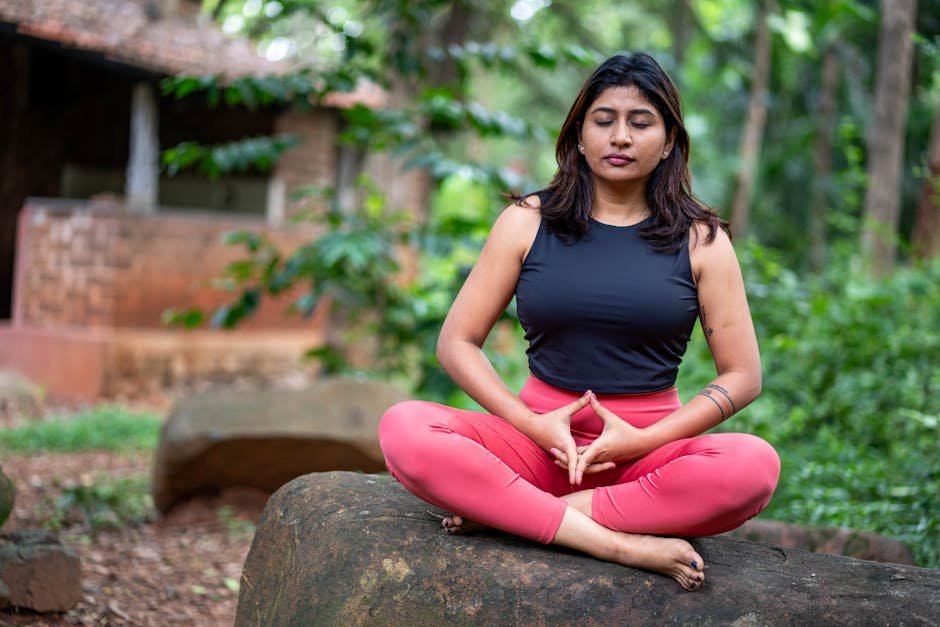
Consider starting with a brief meditation session or some gentle stretching. Even five minutes can make a difference. Focus on your breathing and set a simple intention for the day. This practice can help center your thoughts and boost your mood, making you more resilient to stress.
Nourish Your Body
Nutrition plays a pivotal role in how we feel physically and mentally. Fueling your body with healthy foods can enhance your energy levels and improve your mood.
Try to incorporate a variety of fruits, vegetables, lean proteins, and whole grains into your diet. Staying hydrated is equally important, so aim to drink at least eight glasses of water daily. Remember, it’s okay to indulge occasionally, but balance is key! 🥗💧
Exercise Regularly
Exercise isn’t just about maintaining a certain physique; it’s essential for mental health too. Regular physical activity releases endorphins, which are natural mood lifters.
You don’t have to spend hours at the gym. A brisk 30-minute walk, a yoga session, or a dance class can significantly impact your well-being. Find an activity that you enjoy, and make it a part of your weekly routine. 🏃♀️🧘♂️
Mental Health Check-ins
Just as you would check in with a friend, it’s important to check in with yourself. Regularly assess your mental health and recognize when you need a break or extra support.
Journaling can be a helpful tool for this. Take a few moments each day to jot down your thoughts and feelings. This practice can provide clarity and help you manage your emotions more effectively. 📓🖊️
Digital Detox
In our hyper-connected world, it’s easy to become overwhelmed by constant notifications and screen time. A digital detox, even if just for a few hours, can significantly reduce stress and anxiety.
Try setting boundaries for your technology use. Designate tech-free times, like during meals or before bed, to help you unwind and focus on the present moment. 📵
Social Connections
Humans are social creatures, and maintaining strong relationships is crucial for mental health. Make time to connect with friends and family, whether it’s through a phone call, video chat, or in-person meet-up.
Sharing experiences and laughter with loved ones can boost your mood and provide a sense of belonging. Don’t hesitate to reach out and nurture your social network. 🤝❤️
Conclusion
Self-care is an ongoing journey, not a one-time event. By incorporating these tips into your daily life, you can create a foundation of well-being that supports both your mind and body. Remember, taking care of yourself isn’t selfish—it’s essential. Prioritize your self-care, and you’ll be better equipped to face whatever life throws your way. 💪
FAQs
Q: How often should I practice self-care?
A: Ideally, self-care should be part of your daily routine. Even small acts each day can make a big difference over time.
Q: Is self-care expensive?
A: Not at all! Many effective self-care practices, like meditation, exercise, and spending time with loved ones, are free.
Q: What if I don’t have time for self-care?
A: Start small. Even five minutes of focused breathing or stretching can be beneficial. The key is consistency.
Q: How do I know what self-care practices are right for me?
A: Experiment with different activities and pay attention to how they make you feel. Choose what resonates with you and fits your lifestyle.
Remember, self-care is all about finding what works best for you and making it a priority. Here’s to a healthier, happier you! 🌈