


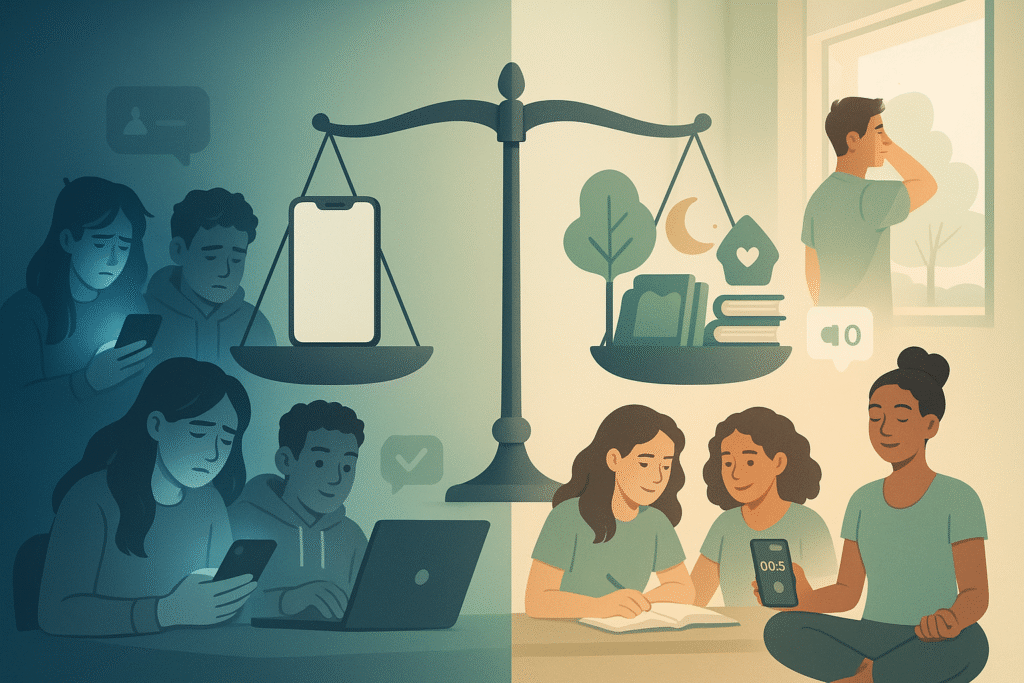
Mental Health Tips for Students: Balancing Screen Time
In today’s digital age, students are spending more time than ever in front of screens. From online classes to social media, the demand to stay connected is constant. However, excessive screen time can negatively impact mental health. This blog post provides practical tips for students to balance screen time and maintain their mental well-being.
Understanding the Impact of Screen Time on Mental Health
Before diving into tips for balancing screen time, it’s crucial to understand how excessive screen exposure can affect mental health. Studies have shown that prolonged screen time can lead to increased anxiety, depression, and disrupted sleep patterns. The constant barrage of notifications and information overload can also cause stress and fatigue.
For students, who are often juggling academics, social life, and personal growth, maintaining mental health is essential. Recognizing the signs of screen fatigue is the first step in addressing the issue. These signs can include headaches, eye strain, irritability, and difficulty concentrating.
Tips for Reducing Screen Time
Reducing screen time doesn’t mean cutting out digital devices entirely. Instead, it’s about creating a balanced approach. Here are some tips to help manage screen time effectively:
1. Set Screen Time Limits 📱
Start by setting specific time limits for different activities. For instance, allocate a certain amount of time for educational purposes and leisure. Most devices come with built-in screen time tracking features that can help monitor usage.
2. Prioritize Tasks ⏳
Create a daily schedule that prioritizes tasks based on importance and deadlines. Focus on completing high-priority assignments first, which can help reduce procrastination and unnecessary screen time.
3. Implement a Digital Curfew 🌙
Establish a digital curfew by setting a time each night to disconnect from all screens. This practice can improve sleep quality and provide a much-needed break for your eyes and brain.
Creating a Healthy Digital Environment
It’s essential to create an environment that supports healthy screen habits. Here are some strategies to consider:
1. Optimize Screen Settings 🔧
Adjust screen settings to reduce eye strain. This includes increasing text size, using blue light filters, and ensuring proper screen brightness.
2. Designate a Screen-Free Zone 🚫
Create a space in your home where screens are not allowed. This can be a place for relaxation, reading, or engaging in non-digital hobbies.
Incorporating Mindful Breaks
Mindful breaks are a great way to refresh your mind and reduce screen fatigue. Here’s how to incorporate them into your routine:
1. Practice the 20-20-20 Rule 👀
Every 20 minutes, take a 20-second break to look at something 20 feet away. This simple exercise can help reduce eye strain and improve focus.
2. Engage in Physical Activity 🏃♂️
Incorporate short bursts of physical activity into your day. Whether it’s a quick walk, stretching, or a dance break, moving your body can boost energy and mood.
Building a Supportive Community
Having a supportive network can make a significant difference in maintaining healthy screen habits. Here’s how you can build that community:
1. Share Your Goals 🎯
Communicate your screen time goals with friends and family. Having accountability partners can help you stay on track and provide encouragement.
2. Join Clubs or Groups 👫
Participate in clubs or groups that focus on offline activities. This can include sports, arts, or volunteer work, offering opportunities to socialize without screens.
Conclusion
Balancing screen time is crucial for maintaining mental health, especially for students navigating the demands of modern life. By setting boundaries, creating a healthy digital environment, and incorporating mindful breaks, students can effectively manage their screen time. Remember, it’s about finding a balance that works for you and supports your overall well-being.
FAQs
Q: How much screen time is considered healthy for students?
A: It’s generally recommended that students spend no more than 2-3 hours of recreational screen time per day, aside from educational purposes.
Q: Can screen time affect academic performance?
A: Yes, excessive screen time can lead to decreased concentration and productivity, potentially impacting academic performance.
Q: What are some signs that I need to reduce my screen time?
A: Signs include frequent headaches, eye strain, irritability, difficulty sleeping, and feeling overwhelmed by digital content.
Q: Are there any apps that can help manage screen time?
A: Yes, apps like Forest, StayFocusd, and Screen Time can help track and manage your screen usage effectively.
By implementing these tips and strategies, students can achieve a healthier balance with their screen time, leading to improved mental health and overall well-being. 🌟



Pingback: Akeal Hosein: Rise of the West Indies Spinner — Complete Career, Bowling Stats & T20 Records - boointheusa.com