
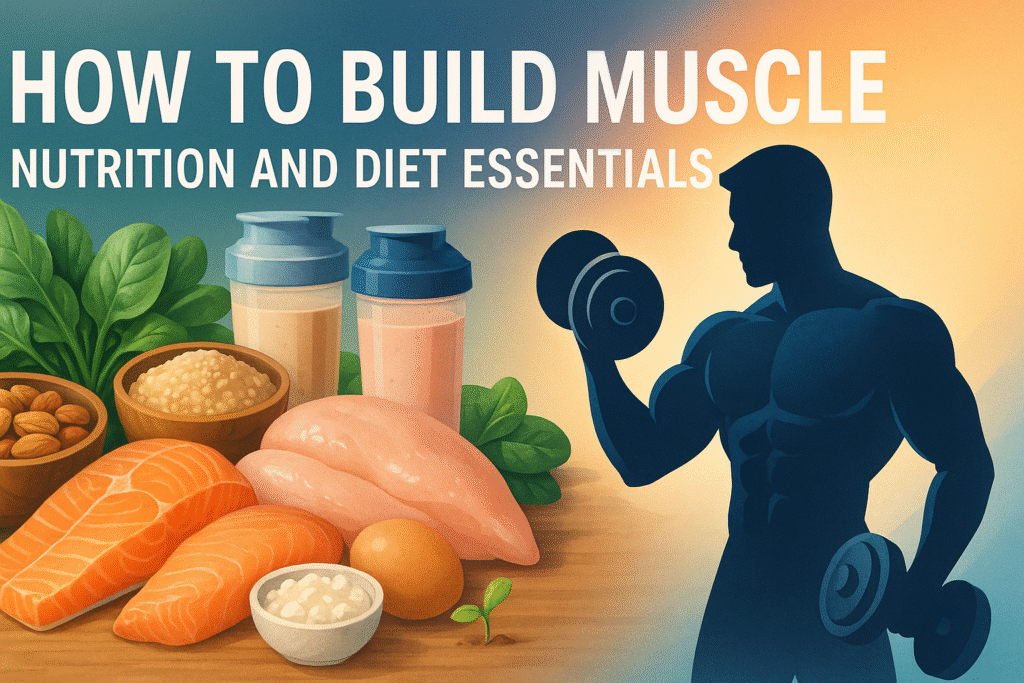

How to Build Muscle: Nutrition and Diet Essentials
Building muscle is not just about lifting heavy weights; it’s a holistic approach that includes the right balance of nutrition and diet. Whether you’re a seasoned gym-goer or just starting out, understanding the essentials of muscle-building nutrition can make a significant difference in your progress. Let’s dive into the key aspects of nutrition and diet that can help you achieve your muscle-building goals. 💪
Table of Contents
1. Introduction to Muscle-Building Nutrition
2. The Role of Protein in Muscle Growth
3. Importance of Carbohydrates
4. Fats: Not the Enemy
5. Micronutrients Matter
6. The Power of Hydration
7. Meal Timing and Frequency
8. Conclusion
9. FAQs
Introduction to Muscle-Building Nutrition
Building muscle requires more than just effort in the gym; it demands a strategic approach to your diet. Proper nutrition fuels your workouts, aids recovery, and supports muscle growth. While the gym is where you tear your muscles apart, the kitchen is where you build them up. Let’s explore the components that make up an effective muscle-building diet.
The Role of Protein in Muscle Growth
Protein is the cornerstone of muscle building. It’s the building block that repairs and grows muscle fibers after intense workouts. Aim to include a variety of protein sources in your diet. Lean meats like chicken, turkey, and fish are excellent choices. If you’re vegetarian or vegan, consider plant-based proteins such as lentils, chickpeas, and quinoa.
Aim for 1.6 to 2.2 grams of protein per kilogram of body weight per day. This range supports optimal muscle growth and recovery. Don’t forget about protein-rich snacks like Greek yogurt or a protein shake post-workout to help replenish and refuel your muscles.
Importance of Carbohydrates
Carbohydrates provide the energy you need to power through your workouts. They replenish glycogen stores in your muscles, ensuring you have the stamina for intense training sessions. Focus on complex carbohydrates like whole grains, oats, and sweet potatoes, which provide sustained energy.
Don’t shy away from carbs; they are essential for fueling your performance and aiding recovery. Timing your carb intake around your workouts can help maximize their benefits. Have a carb-rich meal 1-2 hours before hitting the gym to power your performance. 🍞
Fats: Not the Enemy
Fats have been unfairly demonized, but they play a crucial role in muscle building and overall health. Healthy fats support hormone production, including testosterone, which is vital for muscle growth. Incorporate sources of healthy fats like avocados, nuts, seeds, and olive oil into your diet.
While you should keep an eye on saturated and trans fats, don’t hesitate to include unsaturated fats in your meals. They can also help you feel fuller longer, preventing overeating and aiding in weight management.
Micronutrients Matter
Micronutrients, such as vitamins and minerals, might not be the first thing you consider in a muscle-building diet, but they are essential. They support energy production, bone health, and immune function. Make sure to include a variety of fruits and vegetables in your diet to get a wide range of nutrients. 🍎🥦
Consider adding a multivitamin to your daily routine to cover any potential gaps. However, whole foods should always be your primary source of nutrients.
The Power of Hydration
Hydration is often overlooked, but it’s a key component of muscle-building nutrition. Water supports digestion, nutrient absorption, and muscle recovery. Dehydration can lead to fatigue and hinder your performance in the gym.
Aim to drink at least 3 to 4 liters of water daily, and more if you’re sweating heavily during workouts. Remember, staying hydrated is not just about drinking water; consider hydrating foods like cucumbers and watermelon as part of your diet.
Meal Timing and Frequency
When you eat can be just as important as what you eat. Eating every 3-4 hours can help maintain energy levels and support muscle repair. This approach ensures a steady supply of nutrients to your muscles throughout the day.
Don’t skip meals, especially after a workout. The post-workout meal is crucial for recovery and muscle growth. Include a good balance of protein and carbs to kickstart the recovery process.
Conclusion
Building muscle is a multifaceted journey that requires dedication both in the gym and in the kitchen. By understanding the role of nutrition and diet essentials, you can optimize your muscle-building potential. Remember, it’s not just about the quantity of food, but the quality and timing that make the difference. Stay consistent, and the results will follow! 🚀
FAQs
Q: How much protein do I need daily for muscle growth?
A: Aim for 1.6 to 2.2 grams of protein per kilogram of body weight per day to support muscle growth and recovery.
Q: Can I build muscle on a vegetarian diet?
A: Absolutely! Incorporating plant-based proteins such as lentils, chickpeas, and quinoa can help meet your protein needs.
Q: Should I avoid fats in my diet?
A: No, healthy fats are essential for hormone production and overall health. Focus on unsaturated fats from sources like avocados and nuts.
Q: How important is hydration in building muscle?
A: Hydration is crucial for digestion, nutrient absorption, and muscle recovery. Aim for at least 3 to 4 liters of water daily.
Embark on your muscle-building journey with these nutrition essentials, and watch your progress soar. Happy lifting! 🏋️♂️