


Table of Contents

Who Was Assata Shakur? Understanding the Revolutionary Activist’s Complex Story
Assata Shakur remains one of the most controversial figures in American history—a Black liberation movement leader whose life story sparks heated debates about justice, revolution, and political prisoners. Born JoAnne Chesimard, she became a prominent member of the Black Panther Party before landing on the FBI most wanted list following the deadly New Jersey Turnpike shooting in 1973.
This overview is for anyone seeking to understand Shakur’s impact on civil rights activism and why she continues to generate discussion decades later. We’ll explore her transformation from college student to revolutionary activist, examine the controversial trial that divided public opinion, and look at her dramatic prison escape to Cuba exile where she lives today. You’ll also discover how this political prisoner’s story continues to influence modern social justice movements and why her legacy remains so polarizing.
Early Life and Political Awakening

Growing up in Queens, New York as JoAnne Chesimard
Born JoAnne Byron on July 16, 1947, Assata Shakur spent her formative years in Jamaica, Queens, in a working-class African American household. Her childhood was marked by the stark realities of racial segregation and economic hardship that defined Black urban life in the 1950s and early 1960s. Raised primarily by her aunt and grandparents after her parents separated, she witnessed firsthand the struggles of Black families trying to maintain dignity and stability in an oppressive system.
The Queens of her youth was a complex tapestry of immigrant communities and established Black neighborhoods, where conversations about racial injustice happened around kitchen tables and in church pews. Her family instilled strong values about education and self-respect, while also teaching her to question authority and think critically about the world around her. These early lessons in resistance and pride would later prove foundational to her political development.
JoAnne’s neighborhood experiences exposed her to the daily microaggressions and systemic barriers that Black Americans faced. From discriminatory housing practices to unequal educational opportunities, she observed how racism operated at both institutional and personal levels, planting seeds of discontent that would later bloom into revolutionary consciousness.
Educational journey and exposure to civil rights activism
JoAnne’s academic path led her from local Queens schools to Manhattan Community College and later to the City College of New York. Her college years coincided with the explosive growth of the civil rights activist movement, and campus became a crucible for political awakening. She studied education and later business administration, but her real education was happening in the student lounges, protest rallies, and consciousness-raising sessions that defined college life in the late 1960s.
The City College campus buzzed with revolutionary energy as students organized sit-ins, teach-ins, and demonstrations against the Vietnam War and racial inequality. JoAnne threw herself into student activism, joining groups that demanded curriculum changes to include Black history and challenging the predominantly white faculty and administration. She participated in protests that shut down classes and occupied buildings, learning tactics that would later influence her approach to more radical forms of resistance.
Her exposure to revolutionary literature during these college years was transformative. She devoured the works of Malcolm X, Frantz Fanon, and Che Guevara, finding intellectual frameworks that explained her lived experiences of oppression. The concept of Third World liberation movements particularly resonated with her, as she began to see connections between the struggle of Black Americans and anti-colonial movements worldwide.
Transformation from student to revolutionary activist
The transition from student activist to revolutionary activist wasn’t sudden but rather a gradual radicalization shaped by escalating social tensions and personal experiences with police brutality. JoAnne became increasingly frustrated with what she saw as the limitations of traditional civil rights approaches, particularly their emphasis on integration rather than fundamental systemic change.
Her involvement with the Golden Drums, a cultural group that promoted Black pride and African heritage, marked an early step toward more militant activism. The group performed at rallies and community events, using art and music to spread messages of Black empowerment and self-determination. This cultural work introduced her to a network of artists, intellectuals, and activists who shared her growing belief that more radical action was necessary.
The turning point came with her increasing exposure to police violence in her community and the failure of mainstream civil rights organizations to adequately address these issues. She began to see law enforcement not as protectors but as occupying forces in Black neighborhoods. This realization, combined with her study of revolutionary theory, convinced her that armed self-defense and direct action were not just justified but necessary for Black liberation.
Her name change from JoAnne Chesimard to Assata Shakur symbolized this transformation. “Assata,” meaning “she who struggles” in Arabic, and “Shakur,” meaning “thankful” in Arabic, reflected her new identity as someone committed to fighting oppression while maintaining gratitude for her ancestors’ struggles.
Key influences that shaped her radical worldview
Several pivotal influences converged to shape Assata’s revolutionary consciousness. The assassination of Malcolm X in 1965 profoundly impacted her, as she witnessed the silencing of a leader who had evolved beyond the constraints of mainstream civil rights discourse. Malcolm’s emphasis on Black nationalism, international solidarity, and the right of oppressed peoples to defend themselves by any means necessary became central tenets of her own political philosophy.
The emergence of the Black Panther Party provided a concrete model for how revolutionary theory could be translated into practice. The Panthers’ combination of armed self-defense, community programs, and anti-imperialist politics offered a blueprint that resonated with her growing militancy. Their breakfast programs for children, free health clinics, and political education classes demonstrated how revolutionaries could simultaneously challenge the system while meeting immediate community needs.
International liberation movements also shaped her worldview significantly. The Cuban Revolution, Algerian War of Independence, and Vietnamese resistance to American imperialism provided examples of successful armed struggles against seemingly insurmountable odds. She began to understand the Black liberation movement as part of a global struggle against colonialism and capitalism, viewing American racism as a form of internal colonialism that required similar tactics to overcome.
Personal relationships with other revolutionaries deepened her commitment to radical politics. Mentors and comrades introduced her to clandestine networks, revolutionary cells, and underground organizing strategies. These relationships provided both practical training in revolutionary tactics and emotional support for the psychological challenges of living as a committed revolutionary in a hostile society.
Black Panther Party and Revolutionary Activities
Joining the Black Liberation Army and Armed Resistance Movement
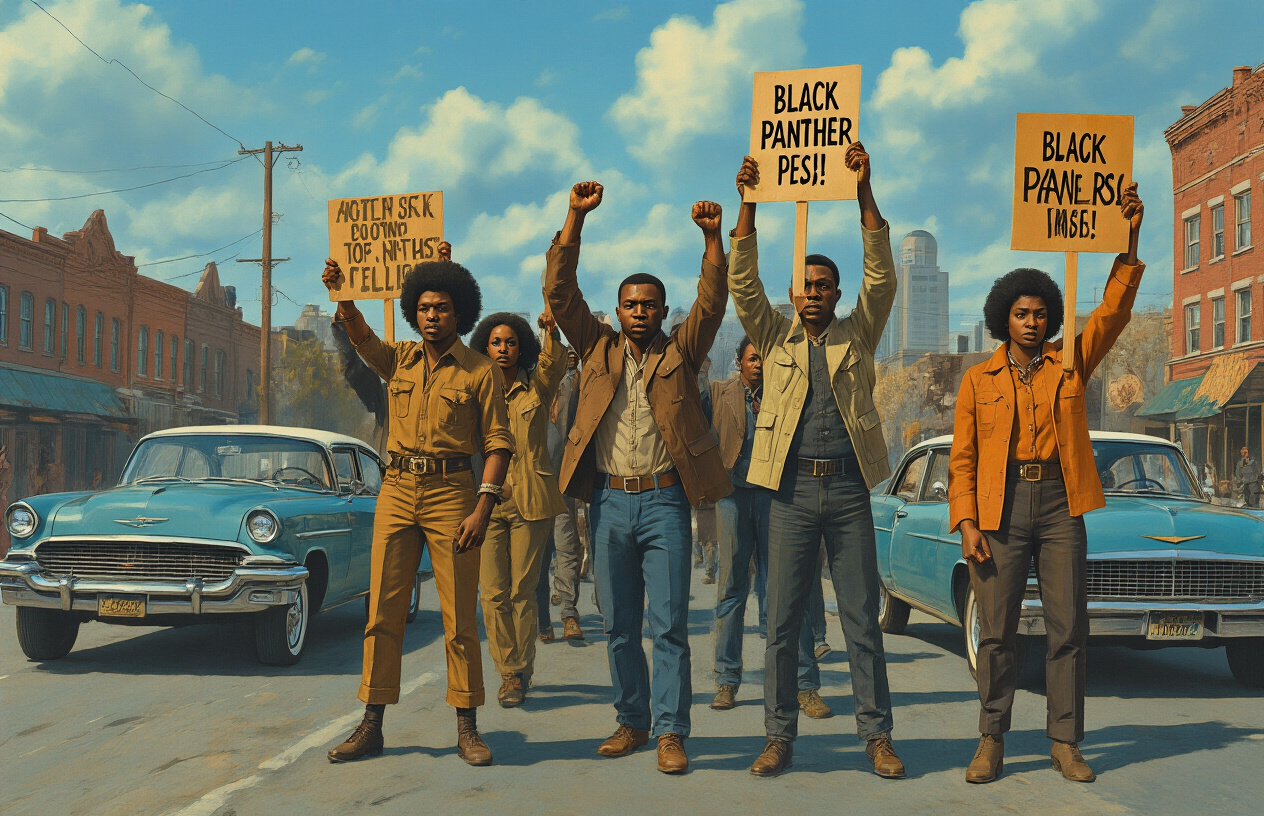
Assata Shakur’s involvement with the Black Liberation Army (BLA) marked a turning point from her earlier civil rights activism toward armed resistance. The BLA emerged from the Black Panther Party in the early 1970s as a more militant offshoot, believing that peaceful protest alone couldn’t achieve Black liberation in America. Shakur joined this underground network after growing disillusioned with traditional civil rights approaches, which she felt moved too slowly while Black communities continued suffering under systemic oppression.
The BLA operated as a decentralized organization without formal membership rolls or hierarchical structure. Members used code names and compartmentalized information to protect the network from infiltration. Shakur adopted the underground lifestyle completely, using false identities and constantly moving between safe houses. The organization attracted former Black Panthers who believed armed struggle was necessary to defend Black communities and challenge what they saw as a racist system.
The group’s ideology centered on Third World liberation movements and anti-imperialism. They studied revolutionary tactics from Cuba, Vietnam, and Africa, viewing their struggle as part of a global fight against oppression. For Shakur, joining the BLA represented a natural evolution of her political consciousness rather than a radical departure from her earlier activism.
Bank Robberies and Targeted Attacks Against Law Enforcement
The Black Liberation Army funded their operations through bank robberies, viewing these actions as “expropriations” rather than common crimes. Shakur participated in several of these operations throughout the early 1970s, though the exact details remain disputed. The BLA saw banks as symbols of capitalist exploitation and considered taking their money a legitimate form of revolutionary action.
Beyond financial crimes, the organization engaged in targeted attacks against law enforcement officers, particularly those they identified as oppressive forces in Black communities. These actions included ambushes and shootings of police officers in New York, California, and other states. The BLA justified these attacks as acts of self-defense against what they characterized as an occupying army in Black neighborhoods.
The group also claimed responsibility for bombings of government buildings and corporate targets they viewed as symbols of oppression. These actions escalated tensions between law enforcement and Black liberation activists nationwide. The FBI responded by launching intensive manhunts and surveillance operations, placing BLA members among their most wanted fugitives.
Underground Network Operations and Safe House Activities
Operating completely underground required sophisticated networks of safe houses, sympathizers, and financial support. Shakur moved frequently between apartments, homes, and hideouts across multiple states, never staying in one location for extended periods. The network included both active BLA members and supporters who provided housing, transportation, and other assistance while maintaining plausible deniability.
Communication within the organization relied on coded messages, dead drops, and face-to-face meetings in carefully chosen locations. Members used multiple false identities, complete with forged documents and backstories. Shakur became skilled at assuming different personas, changing her appearance and mannerisms to avoid detection.
The safe house network extended beyond major cities into rural areas, where supporters offered temporary refuge. These locations served multiple purposes: planning operations, storing weapons and supplies, treating wounded members, and providing psychological support for the stress of underground life. The network’s effectiveness kept many BLA members hidden for years, though constant vigilance was required to maintain security.
The New Jersey Turnpike Incident and Trial

Fatal shootout with state troopers in 1973
On May 2, 1973, a routine traffic stop on the New Jersey Turnpike turned into a deadly confrontation that would define Assata Shakur’s life and legal battles for decades to come. Shakur, then known as JoAnne Chesimard, was traveling with two fellow Black Liberation Army members, Zayd Malik Shakur and Sundiata Acoli, when state troopers Werner Foerster and James Harper pulled their vehicle over near East Brunswick.
What happened next remains one of the most disputed incidents in American criminal justice history. According to state police accounts, the traffic stop escalated when the occupants opened fire on the troopers. Trooper Foerster was killed, and Trooper Harper was wounded. Zayd Malik Shakur also died in the shootout, while Assata Shakur sustained gunshot wounds to both arms and her chest.
The physical evidence painted a complex picture. Medical examinations revealed that Shakur’s injuries were consistent with her hands being raised when she was shot, contradicting police claims that she had been firing a weapon. Autopsy reports showed that Zayd Malik Shakur was shot multiple times, including in the back. The presence of gunpowder residue and fingerprint evidence became central points of contention throughout the subsequent legal proceedings.
Controversial trial proceedings and evidence disputes
The trial of Assata Shakur began in 1976 and became a lightning rod for debates about racial justice, political persecution, and police conduct. The proceedings were marked by numerous controversies that raised serious questions about the fairness of the judicial process.
Defense attorneys argued that their client could not have fired a weapon due to her injuries, presenting medical testimony that her nerve damage made it physically impossible for her to pull a trigger. They contended that the prosecution’s case relied heavily on circumstantial evidence and witness testimony that was inconsistent and unreliable.
The prosecution’s case faced several challenges:
- Medical evidence contradictions: Expert testimony about Shakur’s gunshot wounds conflicted with the state’s version of events
- Ballistics disputes: Questions arose about which weapons fired the fatal shots
- Witness reliability: Testimony from surviving state trooper James Harper contained inconsistencies
- Chain of custody issues: Defense lawyers questioned the handling and preservation of physical evidence
The trial atmosphere was highly charged, with extensive media coverage and heightened security measures. Shakur’s supporters viewed the proceedings as a political trial designed to silence a prominent voice in the Black liberation movement. They pointed to the FBI’s COINTELPRO operations, which had systematically targeted Black activists and organizations, as evidence of government persecution.
Murder conviction and life imprisonment sentence
After deliberating for over 24 hours, the jury found Assata Shakur guilty of first-degree murder, assault and battery of a police officer, and possession of weapons and ammunition. The conviction came despite the medical evidence regarding her injuries and the defense’s arguments about her physical inability to have committed the shooting.
The court sentenced Shakur to life imprisonment plus 33 years, ensuring she would spend the rest of her life behind bars. The verdict sent shockwaves through the Black liberation movement and civil rights communities, who saw it as a continuation of the systematic targeting of Black activists by law enforcement and the judicial system.
Shakur’s legal team immediately filed appeals, challenging various aspects of the trial including:
| Appeal Grounds | Details |
|---|---|
| Inadequate legal representation | Claims of ineffective counsel during initial proceedings |
| Prosecutorial misconduct | Allegations of evidence suppression and witness coaching |
| Judicial bias | Concerns about pretrial publicity and courtroom atmosphere |
| Constitutional violations | Arguments about due process and fair trial rights |
The appeals process dragged on for years, with higher courts ultimately upholding the conviction. Civil rights organizations, including the National Conference of Black Lawyers and the Black Panther Party, denounced the verdict as a miscarriage of justice. They argued that Shakur had been railroaded by a system determined to silence her political voice and punish her association with revolutionary movements.
The conviction solidified Shakur’s status as what many considered a political prisoner, someone imprisoned not for criminal acts but for their political beliefs and activism. This designation would follow her throughout her incarceration and eventual escape, becoming central to ongoing debates about her case and legacy.
Prison Escape and Life in Cuba

Dramatic breakout from Clinton Correctional Facility in 1979
On November 2, 1979, Assata Shakur pulled off one of the most audacious prison escapes in American history. Two male visitors arrived at the Clinton Correctional Facility for Women in New Jersey, ostensibly to see other inmates. These visitors, armed with .45-caliber pistols, overpowered guards and freed Shakur from her cell. The breakout was swift and precise – within minutes, Shakur was racing away from the prison that had held her for two years.
The escape involved members of the Black Liberation Army and May 19th Communist Organization, demonstrating the extensive network of support Shakur maintained even behind bars. Prison officials described the operation as highly coordinated, with the escapees knowing exactly where to go and how to navigate the facility’s security systems. The FBI immediately launched a massive manhunt, placing Shakur on their Ten Most Wanted list and offering substantial rewards for information leading to her capture.
What made this escape particularly remarkable was its planning and execution. Unlike many prison breaks that rely on luck or desperation, Shakur’s escape showed careful preparation and inside knowledge of prison routines. The operation lasted less than twenty minutes from start to finish, leaving authorities stunned at how smoothly it unfolded.
Journey to Cuba and political asylum under Fidel Castro
After years underground in the United States, Shakur arrived in Cuba in the early 1980s, where she received political asylum from Fidel Castro’s government. The Cuban leadership viewed her case through the lens of international solidarity with liberation movements and anti-imperialist struggles worldwide. They saw her not as a criminal fugitive, but as a political prisoner who had escaped American oppression.
Cuba’s decision to grant asylum to Shakur aligned with their broader policy of supporting African American civil rights activists and revolutionary movements. The island nation had previously welcomed other American political exiles, including Robert F. Williams, a civil rights activist who had fled the U.S. in the 1960s. For Castro’s government, harboring American political refugees served multiple purposes: it demonstrated Cuba’s commitment to anti-racism and provided a way to critique American domestic policies.
The journey to Cuba required careful planning and international networks. Shakur couldn’t simply board a commercial flight from the United States to Havana. The exact details of her route remain unclear, but it likely involved multiple countries and trusted contacts within international solidarity movements. Her arrival marked the beginning of a new chapter that would span decades.
Building a new identity as writer and political commentator
In Cuba, Shakur transformed from underground fugitive to public intellectual and writer. She began crafting her autobiography, which would eventually become a powerful testament to the Black liberation struggle. Her writing provided an intimate look at the experiences that shaped her political consciousness and offered insights into the daily realities of revolutionary activism in America.
Shakur’s literary work extended beyond personal memoir to include political commentary and analysis. She wrote essays examining American racism, the prison system, and international solidarity movements. Her perspective as someone who had lived both within and outside American society gave her writings a unique voice in debates about justice and liberation.
Living in Havana, Shakur also became involved in Cuba’s educational system and cultural programs. She worked with international students and visitors, sharing her experiences and perspectives on American politics and social movements. Her presence on the island served as a living bridge between Cuban revolutionary ideals and African American liberation struggles.
The FBI continued to seek her extradition, but Cuba steadfastly refused all American requests. This protection allowed Shakur to speak openly about her experiences and maintain her political activism from exile. Her writings and occasional interviews kept her voice present in American political discourse, even as she remained physically beyond the reach of U.S. law enforcement.
Legacy and Contemporary Impact
Symbol of resistance for Black liberation movements
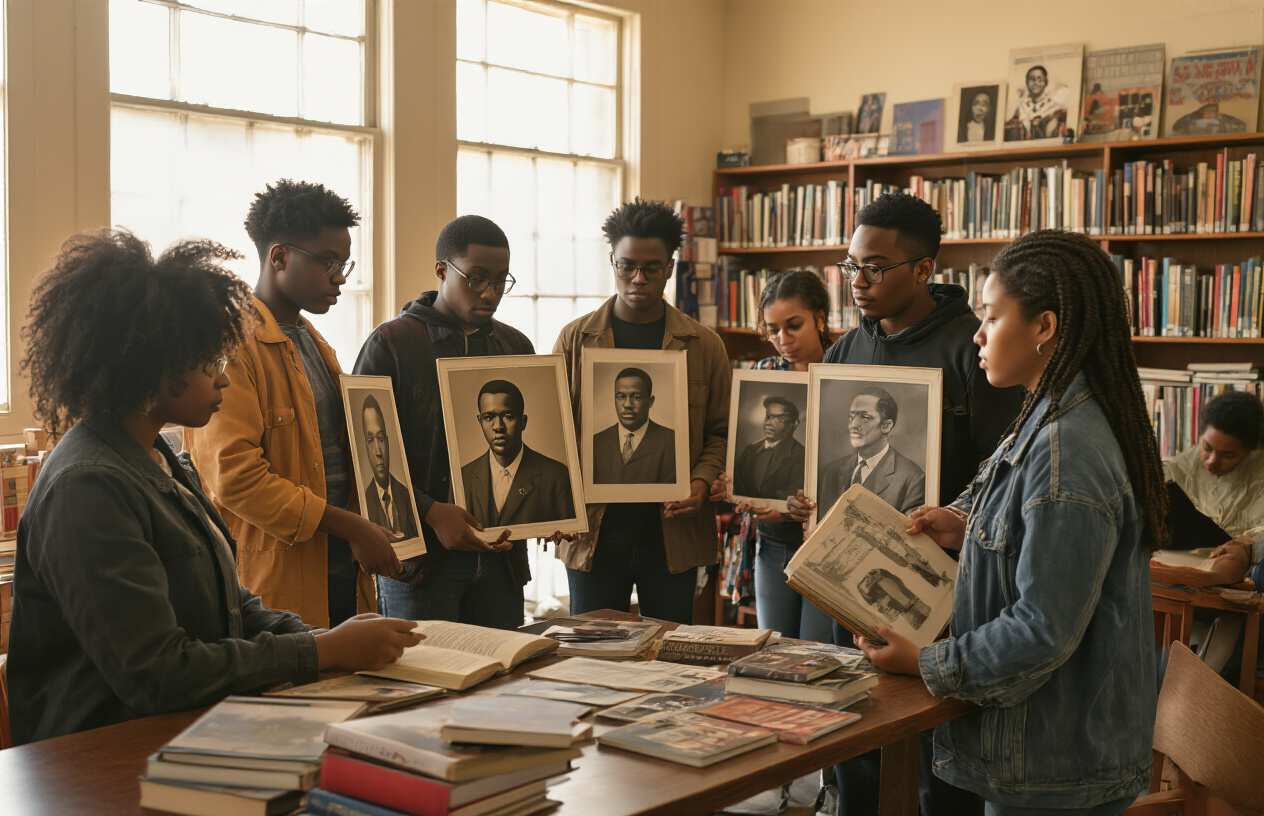
Assata Shakur has become an enduring icon for Black liberation movements worldwide. Her image appears on t-shirts, murals, and protest banners, often accompanied by her famous words: “It is our duty to fight for our freedom. It is our duty to win. We must love each other and support each other.” Contemporary activists see her as a political prisoner who fought against systemic oppression rather than a criminal. Her autobiography remains required reading for many activists studying revolutionary theory and practice.
The Black Lives Matter movement frequently references Assata Shakur’s teachings and experiences. Activists draw parallels between her struggles with police violence in the 1970s and current incidents of police brutality. Her analysis of state-sanctioned violence against Black communities resonates with modern organizers who view her case as evidence of how the criminal justice system targets those who challenge racial inequality.
FBI’s Most Wanted fugitive status and bounty implications
In 2013, the FBI added Assata Shakur to their Most Wanted Terrorists list, making her the first woman to receive this designation. The agency placed a $2 million bounty on her capture, reflecting the government’s ongoing pursuit despite decades passing since her conviction. This classification sparked intense debate about whether her actions constituted terrorism or legitimate resistance to oppression.
The terrorist designation carries significant diplomatic implications for U.S.-Cuba relations. American officials regularly pressure Cuban authorities to extradite Shakur, while Cuba maintains she received political asylum and refuses to return her. This standoff demonstrates how her case continues to influence international relations and complicate diplomatic negotiations between the two nations.
Influence on modern social justice and prison reform activism
Prison reform advocates frequently cite Assata Shakur’s case when discussing political prisoners and the weaponization of the criminal justice system. Her experiences with solitary confinement and alleged torture while incarcerated have become talking points for activists pushing for prison reform. Organizations like Critical Resistance and the National Lawyers Guild reference her treatment as evidence of systematic abuse within correctional facilities.
Her writings on the prison-industrial complex influence contemporary discussions about mass incarceration’s impact on Black communities. Activists use her analysis of how prisons function as tools of social control to support arguments for abolition or radical reform of the current system. Her case demonstrates how revolutionary activists faced harsh sentences that many consider politically motivated prosecutions.
Ongoing debates about terrorism versus political persecution
The classification of Assata Shakur as a terrorist remains highly controversial. Supporters argue that labeling her a terrorist criminalizes legitimate resistance to state violence and racial oppression. They point to her involvement with the Black Panther Party’s community programs and her advocacy for Black self-determination as evidence of her political motivations rather than terroristic intent.
Critics maintain that her involvement in violent confrontations with police, regardless of the political context, justifies the terrorist designation. Law enforcement officials argue that her escape from prison and continued resistance to capture demonstrate ongoing danger to public safety. This debate reflects broader questions about how society defines terrorism versus political resistance, particularly when examining movements for racial justice and liberation.

Assata Shakur’s story shows how personal experiences with racism and injustice can spark a lifelong commitment to revolutionary change. From her early days growing up in the Jim Crow South to her involvement with the Black Panther Party, her path reveals the deep connections between systemic oppression and radical resistance. The controversial New Jersey Turnpike incident and her subsequent trial highlighted the complex relationship between law enforcement and Black activists during one of America’s most turbulent periods.
Her dramatic escape from prison and decades-long exile in Cuba continue to make her a polarizing figure today. While some see her as a terrorist who escaped justice, others view her as a freedom fighter who exposed the brutal realities of state violence against Black communities. Regardless of where you stand, Shakur’s influence on modern social justice movements is undeniable. Her writings and example continue to inspire new generations of activists fighting for racial equality and challenging systems they believe are fundamentally unjust.