
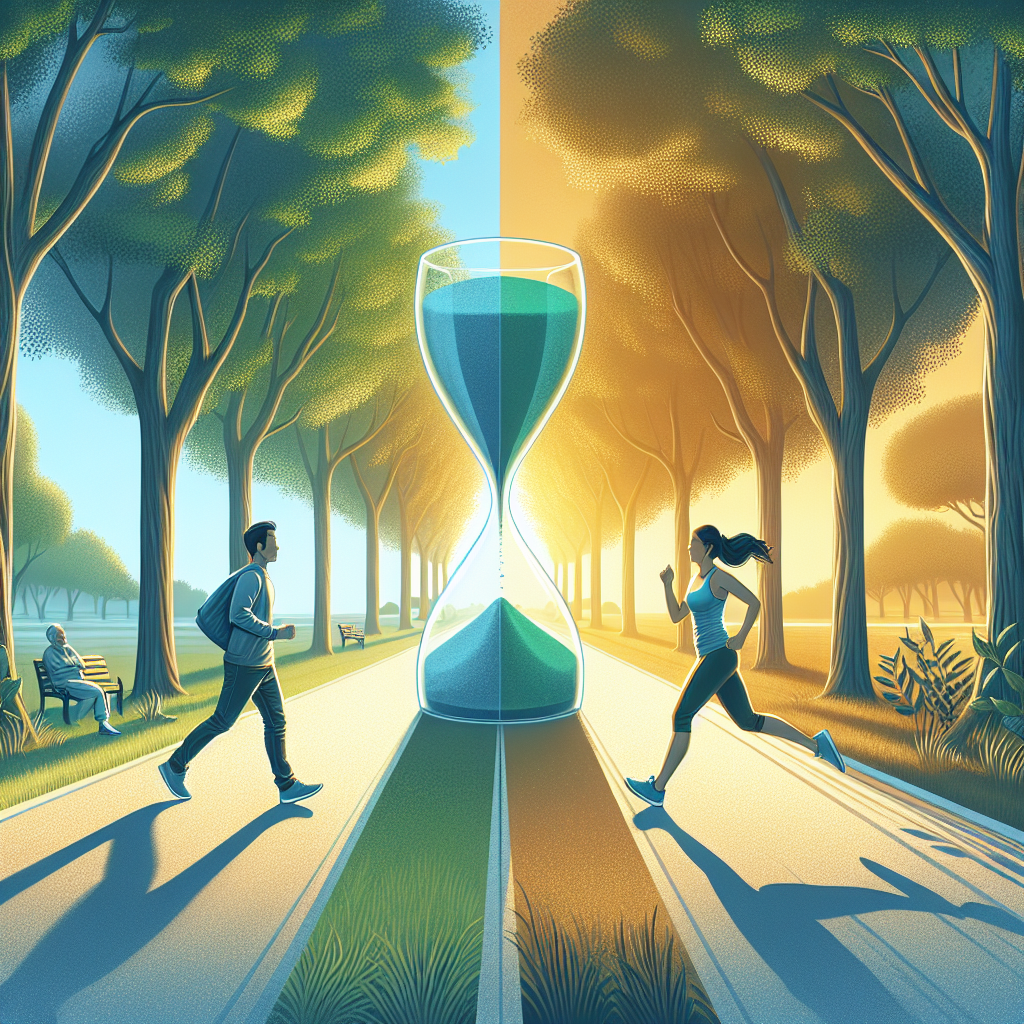

Walking vs Running: Which is Better for Longevity?
When it comes to choosing the best exercise for your health and longevity, the debate between walking and running is a common one. Both have their unique benefits and drawbacks, and understanding these can help you make an informed decision for your health goals. In this guide, we’ll explore the advantages and disadvantages of walking and running, and which might be better for your long-term health. 🏃♀️🚶♂️
Table of Contents
1. Introduction
2. Benefits of Walking
3. Benefits of Running
4. Health Considerations
5. Calorie Burn and Weight Loss
6. Impact on Longevity
7. Personal Preference and Goals
8. Conclusion
9. FAQs
Introduction
Exercise is a fundamental component of a healthy lifestyle, but choosing the right type can make all the difference. Whether you’re a fan of the serene pace of walking or the adrenaline rush of running, each activity can contribute positively to your longevity. Let’s dive into the specifics of each to see which one might be the best fit for you.

Benefits of Walking
Walking is often considered the more accessible form of exercise. It’s gentle on the joints, requires no special equipment, and can be done almost anywhere. Here’s why walking is a great choice:
Low Impact on Joints: Walking is much easier on the knees and hips compared to running. This makes it an ideal exercise for individuals with joint issues or those recovering from injuries.
Improves Mental Health: A leisurely walk, especially in nature, can be a meditative experience. It helps reduce stress, anxiety, and depression, contributing to overall mental well-being. 🌳
Boosts Heart Health: Regular walking can improve cardiovascular health by reducing blood pressure and cholesterol levels, which are key factors in increasing longevity.
Benefits of Running
Running tends to be more intense and may require a bit more effort, but the rewards can be significant:
High Calorie Burn: Running is one of the most efficient ways to burn calories, making it ideal for those looking to lose weight or maintain a healthy weight.
Strengthens Bones: The impact of running helps improve bone density, reducing the risk of osteoporosis as you age.
Enhances Endurance: Regular running can significantly boost your cardiovascular endurance, allowing you to engage in a variety of physical activities with greater ease.
Health Considerations
While both walking and running have their benefits, they also come with certain considerations:
Risk of Injury: Running, due to its high-impact nature, can lead to injuries such as shin splints, runner’s knee, and stress fractures. Proper form and footwear are crucial.
Time Commitment: Walking requires more time to achieve the same calorie burn as running. If you’re short on time, running might be more efficient.
Accessibility: Walking is universally accessible to people of all fitness levels, while running may require a certain level of fitness and conditioning.
Calorie Burn and Weight Loss
For those looking to lose weight, the calorie burn is a significant factor. Running typically burns more calories per minute than walking. However, consistency is key. If you enjoy walking more, you’re more likely to stick with it, which ultimately contributes to weight loss and improved health.
Impact on Longevity
Studies suggest that both walking and running can contribute to a longer life. The key is regular physical activity. Walking at a brisk pace for at least 150 minutes a week or running for 75 minutes a week is associated with increased longevity. The choice between the two often comes down to personal preference and physical capability.
Personal Preference and Goals
Your exercise choice should align with your personal goals and lifestyle. If you value a calming routine and have more time, walking might be your go-to. If you thrive on intensity and have limited time, running could be more suitable. Listen to your body and enjoy the process! 😊
Conclusion
Both walking and running offer incredible health benefits that contribute to longevity. The best choice is the one that fits seamlessly into your life and brings you joy. Whether it’s the peaceful rhythm of a morning walk or the invigorating rush of a run, staying active is the ultimate goal. Choose what keeps you moving and makes you happy.
FAQs
Q: Can walking really be as effective as running?
A: Yes! While running burns more calories in less time, walking can be just as effective for weight loss and fitness if done consistently and at a brisk pace.
Q: Is it okay to switch between walking and running?
A: Absolutely! Mixing both can prevent boredom and reduce the risk of injury. It also allows you to enjoy the benefits of both activities.
Q: How can I make walking more challenging?
A: To increase the intensity of walking, try incorporating hills, increasing your speed, or adding intervals. You can also use weights for an added challenge.
Q: Does running have more health risks?
A: Running can have a higher risk of injury due to its high-impact nature. However, with proper technique and equipment, these risks can be minimized.
In the end, the choice between walking and running is personal. Listen to your body, set realistic goals, and enjoy the journey to a healthier, longer life. 🏃♂️🚶♀️



Pingback: Does the Bhagavad Gita Have Solutions for All Human Problems? A Complete Analysis - boointheusa.com