
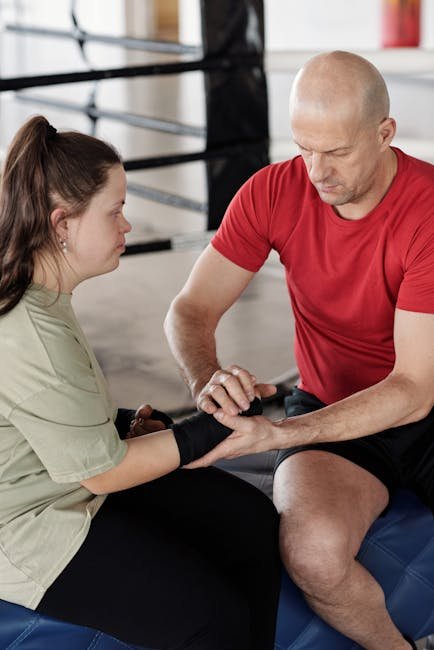

Strength Training for Beginners: What You Need to Know
Welcome to the world of strength training! Whether you’re looking to build muscle, increase endurance, or simply get healthier, this guide will help you navigate the essentials of strength training. Let’s embark on this exciting journey together! 💪
Table of Contents
1. Introduction to Strength Training
2. Benefits of Strength Training
3. Getting Started: Essential Tips
4. Basic Strength Training Exercises
5. Nutrition and Recovery
6. Common Mistakes to Avoid
7. Frequently Asked Questions
8. Conclusion
Introduction to Strength Training
Strength training, also known as resistance training, involves exercises that improve muscle strength and endurance. It’s not just about lifting weights; it’s about improving overall physical health and well-being. If you’re new to this, don’t worry—everyone has to start somewhere!
Benefits of Strength Training
Strength training offers a plethora of benefits that go beyond just physical appearance:
1. Improved Muscle Mass: Regular strength training helps build and maintain muscle mass, crucial as we age.
2. Enhanced Metabolism: More muscle means a higher resting metabolic rate, which helps burn more calories even when you’re not active.
3. Stronger Bones: Resistance exercises can increase bone density, reducing the risk of osteoporosis.
4. Better Mental Health: Strength training releases endorphins, which can improve mood and reduce symptoms of depression and anxiety.
Getting Started: Essential Tips
Embarking on your strength training journey can be both exciting and daunting. Here are some tips to get you started on the right foot:
Set Realistic Goals: Begin with achievable goals, such as increasing the number of push-ups you can do or improving your squat form.
Learn Proper Form: Proper technique is crucial to avoid injuries. Consider working with a personal trainer or watch instructional videos to learn the correct form for each exercise.
Start Light: It’s tempting to lift heavy right away, but starting with lighter weights allows you to focus on form and gradually build strength.
Consistency is Key: Aim for at least two to three strength training sessions per week to see progress.
Basic Strength Training Exercises
Here are some fundamental exercises to include in your routine:
1. Squats: A powerful exercise for building lower body strength. Focus on keeping your back straight and engaging your core.
2. Push-Ups: Excellent for upper body strength, targeting the chest, shoulders, and triceps.
3. Deadlifts: This full-body exercise strengthens your back, glutes, and hamstrings.
4. Planks: Ideal for core stability and strength. Try to hold the position for 30 seconds to start.
Nutrition and Recovery
Proper nutrition and recovery are as important as the workout itself:
Fuel Your Body: Consume a balanced diet rich in protein, healthy fats, and carbohydrates to support muscle growth and repair.
Stay Hydrated: Drink plenty of water before, during, and after your workout to stay hydrated and aid recovery.
Rest and Recover: Allow your muscles time to recover by incorporating rest days and getting adequate sleep.
Common Mistakes to Avoid
As with any fitness journey, there are pitfalls to be aware of:
Overtraining: More isn’t always better. Ensure you’re not training the same muscle groups back-to-back without adequate rest.
Ignoring Warm-Ups: Always start with a warm-up to prepare your body and reduce the risk of injury.
Neglecting Form: Incorrect form can lead to injuries. Focus on technique over lifting heavier weights.
Frequently Asked Questions
Q: How often should I do strength training as a beginner?
A: Aim for two to three times a week, allowing time for recovery between sessions.
Q: Can I do strength training at home?
A: Absolutely! Many exercises require minimal equipment, making it easy to work out at home.
Q: How long until I see results?
A: With consistent effort, you may start to see improvements in strength and endurance within a few weeks.
Conclusion
Embarking on a strength training journey is a rewarding endeavor that can transform your physical and mental well-being. Remember, progress takes time, so be patient with yourself and celebrate small victories along the way. Embrace the process, and don’t hesitate to seek guidance if needed. Here’s to a stronger, healthier you! 🎉